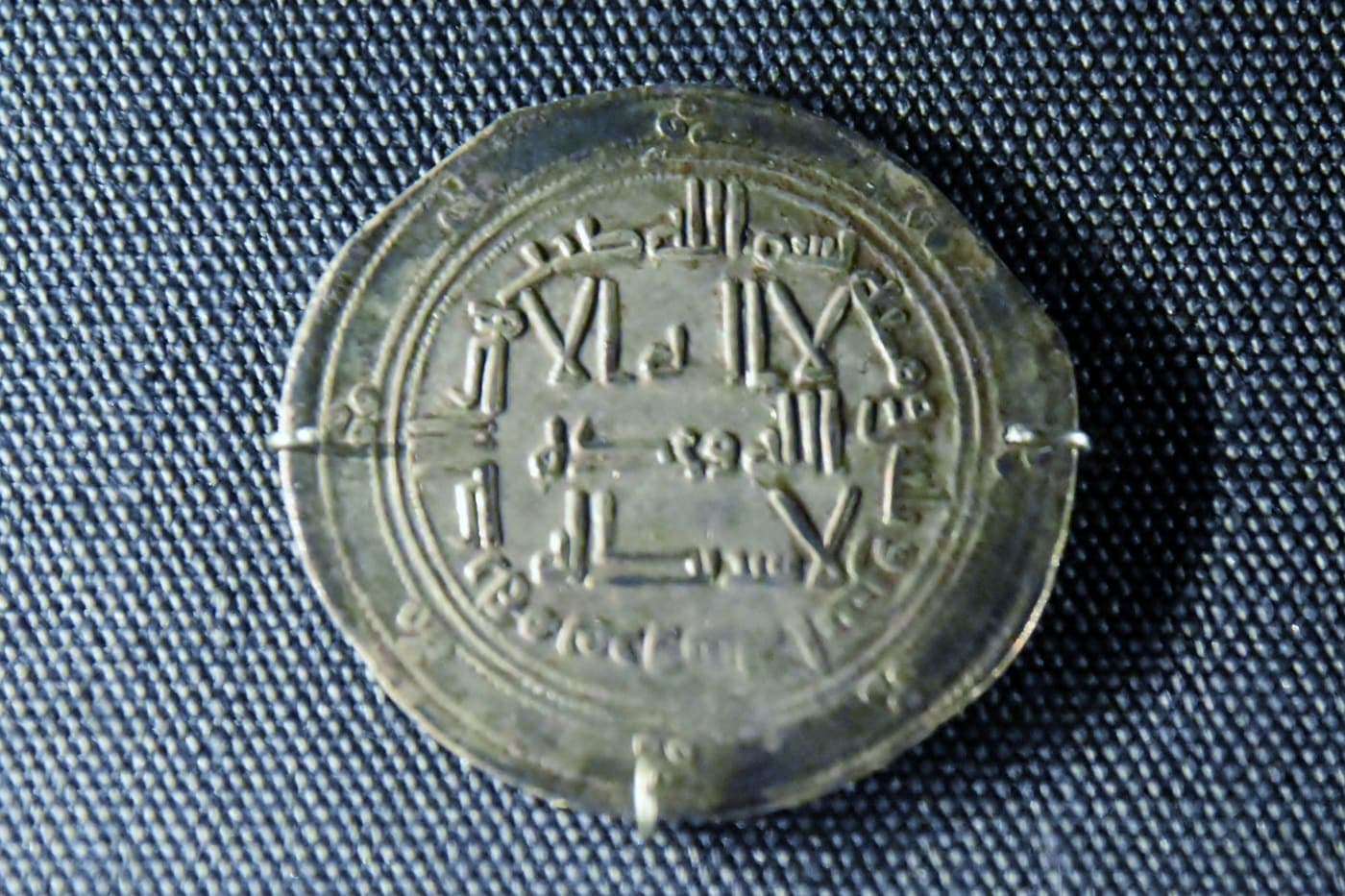
 Richard Mortel / Wikimedia Commons (CC BY 2.0)
Riba by Another Name
On car finance, mortgages, and the temptation to rename what the Qur'an forbids
We live in a time where riba is everywhere: in car finance, mortgages, loans, and "normal" banking. Because of that, we've started changing the names of things more than the principles behind them. We call interest "markup," "profit," "finance charge," even "Islamic product." But changing the label doesn't change what the Qur'an forbids.
The car finance pattern
Over the past few days I've had conversations about cars and houses. With cars, the pattern is clear: whatever we call it, personal loan, HP, PCP, or even some forms of "Islamic car finance," the reality is often the same. You get something now, and you pay back more later, purely because time has passed on a debt. That extra, guaranteed increase on money lent is exactly what the Qur'an calls riba. Allah did not say riba is fine if the rate is low, fixed, and you think it's fair. He said: "Allah has permitted trade and forbidden riba" (2:275). The red line is about the principle itself, not only extreme abuse.
The same logic, applied to houses
We then copy this same logic to houses. In just one week, I heard two separate stories of Muslims trying to get mortgages, being told by imams or scholars that "it's allowed if we have no choice." Slowly, the clear prohibition of riba turns into a culture of exceptions. Almost every comfort becomes a "necessity," and the rule of haram is stretched until it fits the life we already want, instead of our life being shaped to fit what Allah has clearly forbidden. That is a dangerous direction: we are not bending the world towards the Qur'an, we are bending the Qur'an around the world.
What about renting?
At the same time, renting raises a hard question. If I refuse a mortgage but I rent, am I still contributing to riba because my landlord might be paying their own mortgage with my rent? In reality, we usually don't know: the property might be inherited, already paid off, bought with a mortgage, or something else. We don't investigate that every time we rent or stay somewhere. The key difference is this: when you rent, you are paying for a service, a place to live. If the owner has their own riba-based contract, that sin and responsibility is theirs. When you sign the mortgage, the riba contract is yours. There is a big difference between living in a world touched by riba and personally agreeing to pay riba on a debt.
Murabaha and the question of genuine trade
Something similar happens with murabaha and other "Islamic finance" products. On paper, they are built as trade: the bank buys the asset, takes ownership, and then sells or leases it to you at a higher agreed price. Scholars say this is halal when it is genuine trade, with real ownership and a fixed profit, not a disguised interest loan. Critics point out that in practice the payments can look and feel very much like any other finance, and that we must be honest when a product is only a cosmetic change. This shows again that the issue is not just legal form, but whether we are truly moving away from the riba mindset or only renaming it.
Two honest questions
So we have to ask ourselves honestly:
Are we changing names while keeping the same riba-based principles? Or are we willing to change our lives to honour the Qur'an's prohibition, even if that means less convenience, smaller houses, fewer cars, or waiting longer?
The highest priority for a believer is not what is easy, common, or socially acceptable, but what Allah and His Book have made clear. Being precise and fair means recognising genuine trade, partnership, and asset-based finance that really shares risk and avoids interest; admitting when a contract is just interest in different clothes; and being compassionate towards people trapped in this system, without turning their difficulty into a blanket excuse to normalise riba.
Comfort built on riba, or contentment built on obedience
We should not lower ourselves to something clearly haram simply because "the world works this way." The world is not our god. The Qur'an must remain our highest authority, not a footnote we work around. Our task as Muslims is not to find nice words to bend haram into halal, but to build and support real alternatives that completely avoid riba, even if they are slower to grow or less profitable in this life.
In the end, every car, every house, every contract is a choice: do we want comfort built on riba, or contentment built on obedience? The system around us may be full of interest, but our hearts and our signatures do not have to be.